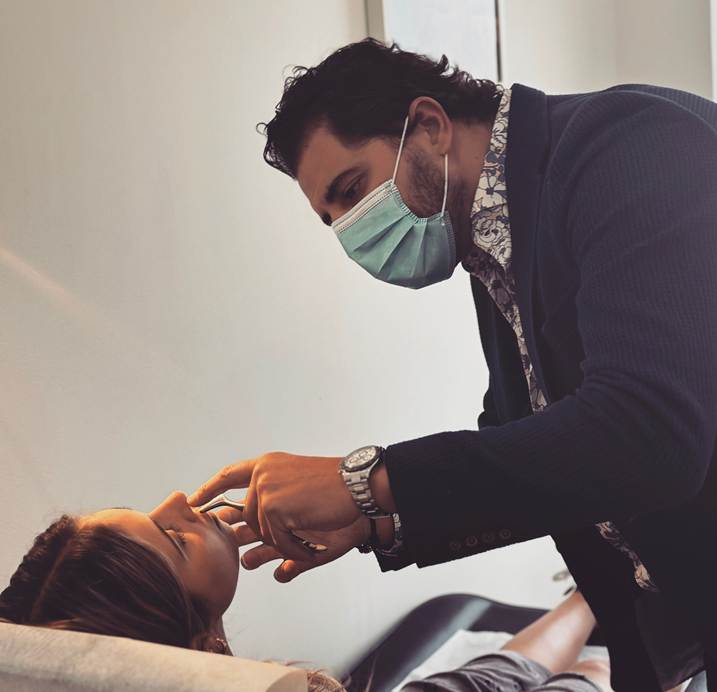
One of the most underestimated aspects of rhinoplasty is the preparation – not the surgical kind, but the intellectual and emotional groundwork that shapes the experience long before anyone enters an operating room. Canadian patients, in particular, approach cosmetic rhinoplasty with a thoughtful balance of curiosity and intention. They want clarity. They want to understand the process. And most importantly, they want to walk into surgery with the confidence that they have prepared themselves with the same care that goes into the procedure itself.
That preparation begins with understanding how leading specialists like Zahi Abou Chacra have helped redefine the standards in Canada. His work reflects a larger national ethos: a commitment to structure, safety, and subtlety. Yet this guide remains entirely patient-focused. It is designed to help anyone considering cosmetic rhinoplasty build a foundation that supports better communication, better expectations, and ultimately, better results.
What follows is a strategic approach grounded on the facts of Canada’s contemporary surgical scene, not a checklist.
Begin With a Clear Sense of Purpose
Patients that understand the rationale behind their rhinoplasty are the most knowledgeable. That “why” only needs to be truthful; it doesn’t have to be lyrical. Finding out why you came to the consultation room in the first place is the first step in preparation.
- Are you looking to refine a feature you’ve analyzed for years?
- Address a long-standing injury or asymmetry?
- Pursue a balanced profile that feels more aligned with your identity?
Clarity here shapes everything that follows. Surgeons can guide, refine, and advise – but the anchor point must come from you. In Canada’s approach to cosmetic rhinoplasty, the patient’s intention carries as much weight as the surgeon’s technique.
Understand the Anatomy You’re Working With
Preparation becomes meaningful when you begin to understand the structure of your own nose. You don’t need to memorize every anatomical detail, but a basic understanding of cartilage, bone, and airflow helps you participate in the surgical conversation in a more informed way.
Since this is a collaborative design process rather than a “tell me what you want” surgery, the majority of Canadian surgeons place an emphasis on teaching during consultations. You may approach rhinoplasty with more realistic expectations and a more analytical perspective if you are aware of the basic constraints and opportunities your anatomy creates.
Think of it as preparing for a partnership – one where both sides benefit from speaking the same language.
Build a Thoughtful Conversation With Your Surgeon
A productive consultation is not about asking dozens of questions; it is about asking the right ones. This is where preparation becomes practical. Patients who enter the room with intention tend to walk out with clearer direction, because they know what information actually matters.
Key areas to explore include:
- How the surgeon evaluates nasal structure
- What techniques they recommend for your specific goals
- How they balance aesthetics with functional integrity
- What outcomes they consider safe and stable for the long term
- What recovery trajectory is typical for your anatomy
In the Canadian rhinoplasty landscape, these conversations are expected. The best results come from open dialogue, not passive participation.
Prepare Physically With Discipline, Not Guesswork
Often misinterpreted as a set of “pre-op tips,” physical preparation is actually far more deliberate. Meaningful preparation includes:
- Establishing a healthy sleep routine
- Maintaining hydration consistently (not just in the 48 hours before surgery)
- Avoiding anti-inflammatory medications unless medically necessary
- Reducing alcohol intake well in advance
- Stopping nicotine use, which compromises healing
- Prioritizing nutrient-dense foods that support tissue recovery
Surgeons emphasize these habits not because they are generic health advice, but because they influence bruising, swelling, healing quality, and the overall surgical experience.
A well-prepared body responds better to the controlled trauma of surgery. Patients feel the difference.
Prepare Your Environment to Remove Friction
Recovery, even when smooth, requires structure. The most prepared patients anticipate this by shaping their environment ahead of time.
This means:
- Making travel arrangements
- Planning vacation time without remorse or hesitation
- Making meals that are easy to prepare
- Creating a suitable environment for sleeping upright
- Making sure that recommended drugs, saline rinses, and cold compresses are accessible
- Eliminating pointless obligations from the immediate post-operative schedule
This isn’t about creating a cocoon; it’s about reducing friction. A predictable environment allows you to focus only on recovery.
Treat the Process as an Investment, Not an Event
Cosmetic rhinoplasty is not a single date on the calendar; it is a structured journey that begins with preparation, flows into surgery, and evolves through recovery. Patients who approach it this way tend to report the most satisfying experiences.
Preparation is the foundation. It shapes the dialogue, the decisions, the mindset, and ultimately, the outcome.
In Canada’s modern surgical community, rhinoplasty continues to advance through discipline, innovation, and deep respect for individualized results. When patients adopt the same principles in their preparation, they set themselves up for success that extends far beyond the operating room.