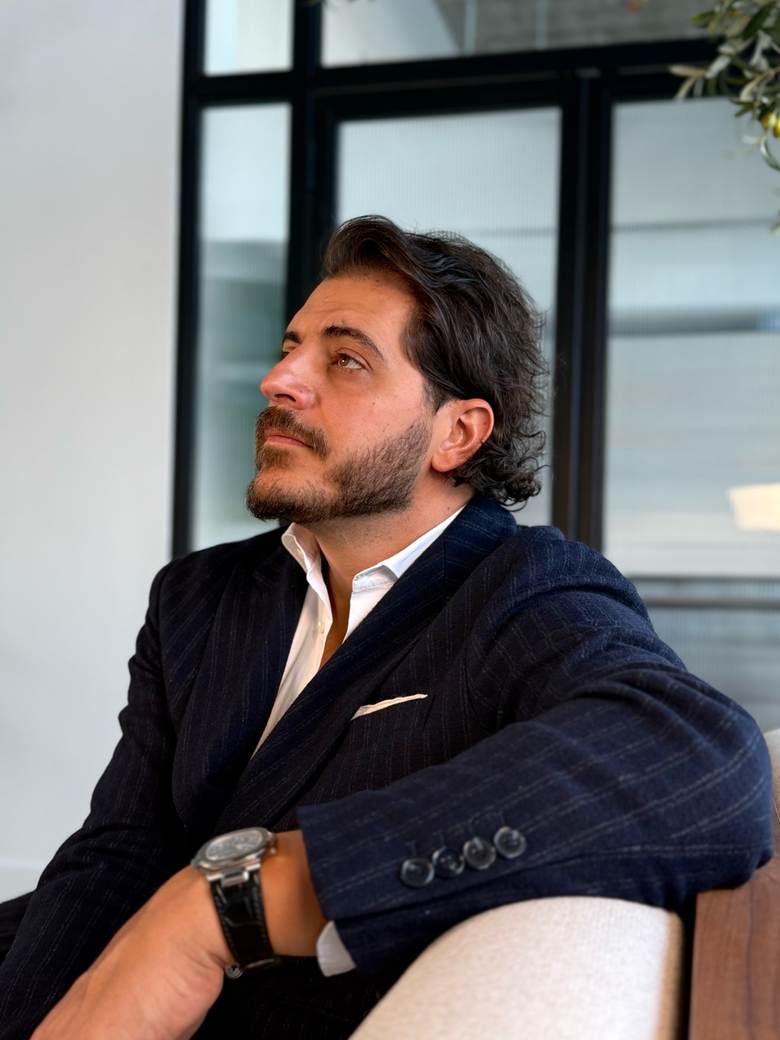
There’s a moment before every rhinoplasty consultation when curiosity meets caution. People arrive with inspiration photos saved on their phones, quiet concerns they haven’t put into words yet, and assumptions about what the experience should look like. Surgeons across Canada – specialists like Zahi Abou Chacra among them – often agree that the consultation isn’t simply an appointment. It’s the blueprint stage, the strategic meeting where clarity matters more than cosmetics.
And yet, many patients walk into that room without the questions that truly shape their outcomes. Not because they’re unprepared, but because they don’t always know what distinguishes a thoughtful rhinoplasty plan from a superficial one. A great consultation isn’t about “convincing”; it’s about alignment – between anatomy, expectations, functional needs, and long-term aesthetic vision.
One thing that you should always keep in mind is that there’s no harm in asking questions because that’s not interrogating the process; rather, it’s necessary to keep you calm and prepared for what’s going to happen.
Question 1 – “How does my anatomy influence what’s realistically achievable?”
One of the most valuable questions patients can ask is also the most grounded. The nose is a structural organ – cartilage strength, skin thickness, septal alignment, and airway condition all influence what can and cannot be shaped safely.
By asking this question, the conversation moves from desire to accuracy. It guarantees that the surgeon assesses your anatomy honestly rather than with ambition and explains how certain aesthetic aspirations are supported or constrained by structural reality.
Question 2 – “How do you balance functional needs with aesthetic goals?”
Any credible conversation about rhinoplasty in Canada must include function. Breathing isn’t optional, and a beautiful result is meaningless if airflow suffers. This question signals that you value holistic results – harmony, stability, and long-term comfort.
A skilled surgeon will explain how they plan to preserve or improve function while refining the external shape. The response reveals not only expertise but philosophy.
Question 3 – “What surgical approach do you recommend for my case and why?”
Without context, terms like “open” and “closed” rhinoplasty have no meaning. The reasoning behind the technique is more important than the technique itself. Each strategy has unique implications for visibility, accuracy, and structure.
Asking “why” invites the surgeon to describe their reasoning rather than relying on generic explanations. It’s a question anchored in understanding, not skepticism.
Question 4 – “Where do you source graft material, and when is it necessary?”
A high degree of patient awareness is seen in this question. Grafts of cartilage, whether from the ribs, septum, or ear, can greatly improve shape and support, particularly when deviation or revision is involved.
A surgeon’s explanation of graft necessity reveals their commitment to structural integrity instead of temporary contouring.
Question 5 – “What does your post-operative plan look like?”
Recovery is never linear. It has its own journey and everyone faces it differently with different experiences. It is still important to know that surgeons take recovery seriously and create a detailed plan rather than just giving vague instructions.
This question clarifies:
- Timelines for visible change,
- Restrictions on movement,
- Splinting and taping expectations,
- What swelling patterns are typical at each stage
- How the surgeon monitors healing
It also reveals whether their support extends beyond the operating room.
Question 6 – “How do you handle asymmetry, and what should I expect long-term?”
No face is perfectly symmetrical. Asking about asymmetry avoids unrealistic expectations and opens a conversation about how much refinement is achievable versus how much is inherent.
This discussion anchors the entire experience in reality rather than fantasy.
Question 7 – “What risks are most relevant to my case?”
Every surgical procedure carries risk. But again, it’s always better to be well-informed beforehand.
The question shouldn’t provoke fear; it should promote transparency. You want a surgeon who outlines risks calmly, directly, and without dramatization, and who explains how they minimize those risks through technique and postoperative planning.
Question 8 – “Can you walk me through results for patients with similar anatomy?”
Photography matters, but context matters more. You’re not comparing yourself to strangers – you’re learning how the surgeon works with structural similarities.
This question helps you determine:
- Whether the surgeon has experience with noses like yours
- How they tailor techniques to different features
- What level of refinement is typical for your anatomy
It’s an evidence-driven question that reveals consistency, not coincidence.
Question 9 – “How do you define a ‘natural’ outcome and how do you achieve it?”
Although the definition differs greatly, natural rhinoplasty has become the preferred choice in Canada. “Natural” means little modification to some surgeons. For some, it represents harmonious refinement.
You can analyze the surgeon’s aesthetic lens by asking this question. Their response will reveal if they place more importance on proportion, balance, structural longevity, or trend-driven shape.
Question 10 – “What does long-term stability look like for the technique you’re recommending?”
A rhinoplasty result is not judged at three months – it is judged at three years, five years, ten years. Techniques that look appealing in the early phase may not age gracefully.
A surgeon confident in their long-term outcomes will explain:
- How structural support is reinforced,
- Why certain techniques ensure stability
- How the nose adapts over time
This question separates artistry from guesswork.
Ask Questions That Shape Your Confidence, Not Your Doubt
A consultation for a rhinoplasty is not a show. It’s a partnership built on openness, autonomy, careful preparation, and realistic expectations. Meaningful questions from patients move the discussion from superficial curiosity to strategic planning.
Great conversations lead to great outcomes, and the most empowered patients are those who enter the meeting ready to ask the important questions.