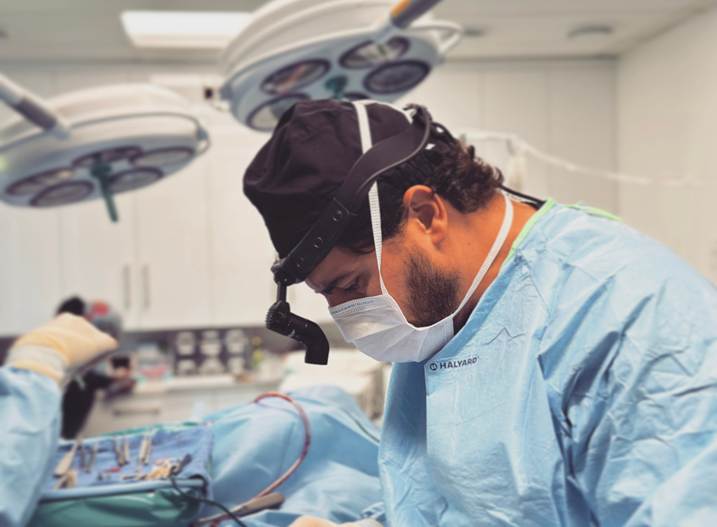
There is something remarkably talking about how a country approaches a surgical craft: it reveals what the culture values – precision, restraint, innovation, and the quiet confidence that comes from doing the work well rather than loudly. Rhinoplasty in Canada is one such example. It has never been a field defined by spectacle or trend-chasing. Instead, the Canadian landscape has evolved through careful refinement, thoughtful technique development, and a deep respect for outcomes that remain stable long after the early excitement has faded.
Within this progression, specialists like Zahi Abou Chacra have contributed to a broader national shift – one that places equal weight on aesthetics, function, and long-term structural integrity. Yet what makes Canada’s rhinoplasty evolution so compelling is not the contribution of any single surgeon. It’s the collective recalibration of standards across the industry: a move away from dramatic transformation and toward refinement that is intelligent, evidence-driven, and tailored.
From Imitation to Individualization: A New Era of Personal Aesthetic Strategy
Uniform values had a big impact on earlier rhinoplasty generations. There was a period when noses were sculpted to resemble templates rather than faces, leaving little room for originality. That is completely rejected by Canada’s contemporary approach.
The knowledge that the nose is not a standalone structure is reflected in modern procedures. It is a long-term commitment, a functional focal point, and an anchor of face identity. This trend toward customization evolved when surgeons started to combine anatomical knowledge with aesthetic accuracy; it wasn’t an accident. In Canada, contemporary rhinoplasty builds from the patient outward rather than imposing characteristics into predetermined designs.
Structures are preserved when they are strong, reinforced when they are weak, and reshaped only when it improves harmony. Individualization is not a trend; it is the foundation of contemporary surgical planning.
Structural Techniques Take the Lead
One of the most defining changes in Canada’s surgical landscape is the widespread movement toward structural and preservation-based rhinoplasty. The focus has shifted from reductive procedures to techniques that reinforce stability.
Today’s surgeons prioritize:
- Stronger cartilage support to prevent long-term collapse.
- Preservation methods that maintain natural anatomy where beneficial.
- Refined grafting philosophies that support airflow and structure simultaneously.
- Predictable frameworks that age gracefully instead of weakening over time.
The fundamental truth that lifespan matters is the foundation of this evolution. If a result loses its integrity by year five, it is worthless even if it appears promising in month three. In response, Canadian surgeons have improved methods that honor the nose’s visible and invisible anatomy.
Functional Outcomes Take Center Stage
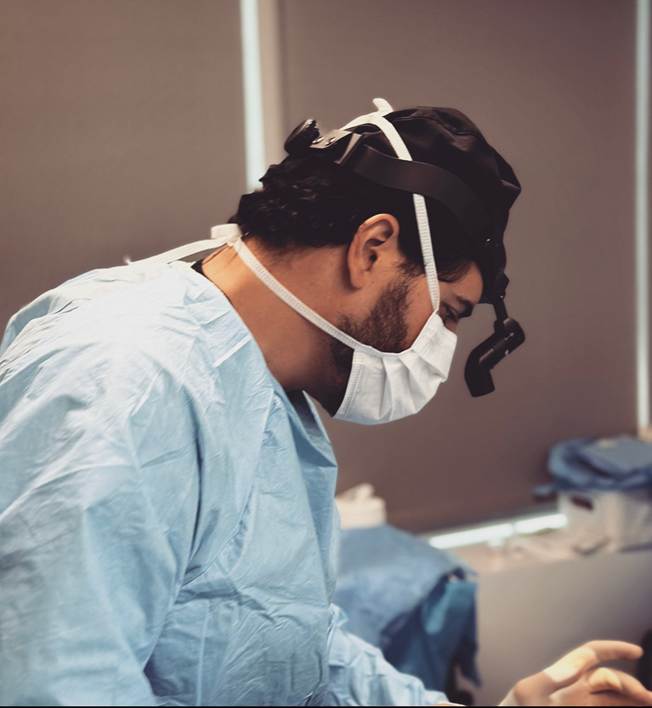
The advancements in rhinoplasty in Canada are not just aesthetically pleasing; they are also highly practical. Problems with breathing are no longer viewed as incidental. They play a crucial role in the discussion.
- Modern techniques emphasize:
- Correction of internal valve narrowing
- Septal reconstruction
- Turbinate management
- Improved internal support
- The prevention of postoperative airway restriction
An altogether new standard of care has been fashioned by this dual approach to breath and beauty. A functional deficiency is acknowledged as a surgical priority and is not regarded as the patient’s burden.
Precision Through Technology: Tools That Redefined the Operating Room
The development of rhinoplasty in Canada is also linked to subtle but significant technological breakthroughs. Adopting every gadget that hits the market is not the goal. Rather than using technology to replace their judgment, Canadian surgeons typically welcome it as a tool to improve it.
This includes:
- High-definition imaging that supports advanced operative planning.
- Predictive modeling, used for anatomical analysis, not for overselling results.
- Endoscopic tools that offer visibility in previously limited fields.
- Refined instrumentation that minimizes trauma and improves recovery.
In Canada, technology is viewed as a precise instrument rather than a promotional item.
A More Intellectual Conversation Between Surgeon and Patient
Perhaps one of the most understated yet significant evolutions lies in how consultations are conducted. The conversation today is more transparent, more anatomical, and more informed than ever before. Surgeons are increasingly clear about:
- What is surgically possible
- What supports long-term stability
- What aligns with facial structure
- What avoids overcorrection
Surgeons answer with greater clarity, and patients arrive more educated. The consultation shifts from a pitch to a strategic dialogue based on mutual respect, understanding, and preparation.
A Field That Continues to Mature
The evolution of rhinoplasty techniques in Canada represents a specialty that refuses to stagnate. It reflects technical discipline, aesthetic restraint, and a commitment to structural excellence that prioritizes long-term outcomes over short-lived impressions.
The result is a surgical environment characterized by deliberate advancement: steady, perceptive, and firmly anchored in reverence for both anatomy and artistry.
Rhinoplasty in Canada continues to evolve – but always with purpose, precision, and perspective.